The ARL site is a scientific research and modeling portal. Its mission is to improve the Nation’s ability to protect human and ecosystem health by studying the physical and chemical processes occurring from the soil up to about 2–3 miles in the atmosphere. It is the birthplace of the HYSPLIT model, the global standard for tracking the movement of air parcels.
The Control Strategy Tool (CoST), developed in 2008, is part of EPA's Emissions Modeling Framework (EMF). CoST is used to estimate emissions reductions and engineering costs associated with control strategies applied to point and area sources of air pollutant emissions to support the analyses of air pollution policies and regulations.
Air quality maps, trends viewer, a downloadable tool and lab data. From the website: "AQview is a community-focused air quality data portal bringing together government and community-led air monitoring data to a single platform. Our primary goal is make it easier to access, understand, and use air quality data collected from the wide range of monitoring efforts occurring across California."
SMOKE is primarily an emissions processing system designed to create gridded, speciated, hourly emissions for input into a variety of air quality models such as CMAQ, REMSAD, CAMX and UAM. SMOKE supports area, biogenic, mobile (both onroad and nonroad), and point source emissions processing for criteria, particulate, and toxic pollutants. For biogenic emissions modeling, SMOKE uses the Biogenic Emission Inventory System. SMOKE is also integrated with the on-road emissions model MOVES.
The AQUA tool is an easy-to-use excel spreadsheet model that city staff can use with minimal guidance. It uses population, exposure, health and economic cost data, as well as epidemiologic evidence to help users calculate how emission changes can benefit local air quality and health.
Atmospheric Composition Analysis Group applies satellite observations, global models, and in situ measurements to improve understanding about the processes controlling air quality, climate, and biogeochemical cycling
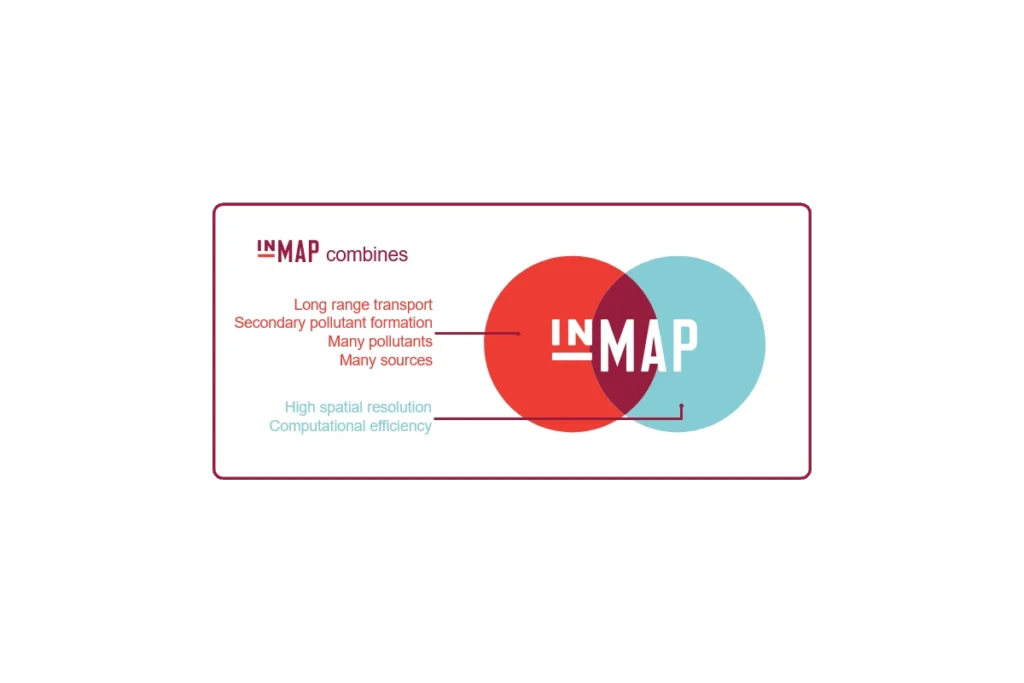
InMAP is a recently developed model which offers a new approach to estimating the human health impacts caused by air pollutant emissions and how those impacts are distributed among different groups of people.
"BetterHubs aims to use a set of core objectives to help governments, companies, investors, and local communities design and engage with Hub projects in a way that sets a new bar for industrial innovation."
Air sensor monitors that are lower in cost, portable and generally easier to operate than regulatory-grade monitors are widely used in the United States to understand air quality conditions. This website provides the latest science on the performance, operation and use of air sensor monitoring systems for technology developers, air quality managers, participatory scientists and the public. The EPA is involved in the advancement of air sensor technology, including performance evaluations of sensor devices and best practices for effectively using sensors. The information can help the public learn more about air quality in their communities.
Subscribe
Sign up to get the latest updates on new city clean air tools and resources.