Website for the Portland Clean Energy Community Benefits Fund which invests in community-led projects to reduce carbon emissions, create economic opportunity, and help make Portland more resilient to a changing climate.
Website providing information on reduction techniques for SO2, NOx, PM, VOC, HM and POP coming from different anthropogenic sources through:
Updated information on best available techniques to reduce emissions, with a focus on technical descriptions and environmental performances, Information on the latest developments on reduction techniques both for general and specific applications, with a focus on technical descriptions and environmental performances, Operating experience and feedback from operators, with a focus on lessons learned in the field and real-life investments and operating costs.
The Chicago Department of Public Health (CDPH) analyzed community-level data on air quality, health, and social factors to identify neighborhoods that should be prioritized for efforts to mitigate and reduce air pollution to better protect public health. The report builds on the commitment to health and racial equity through Healthy Chicago 2025 and initiatives led by local environmental justice organizations. The aim is to provide a resource for future action on environmental health. In developing this report, they consulted with subject matter experts, advocacy groups, and community-based environmental justice organizations.
Website providing access to tools and resources related to programs that reduce emissions from trucks and buses in California. Includes information about regulations, zero-emission trucks, and infrastructure.
This website provides information about California’s regulations to reduce light duty vehicle emissions. It includes links to regulatory programs for Low Emission and Zero Emission Vehicles, electric vehicle and hydrogen infrastructure, and information on advanced clean cars.
Primary website for access to California’s programs to reduce emissions from cars, trucks, and motorcycles. Provides links to major programs, fact sheets and research.
The Fuel Alternatives and Options guide, provided by the Indiana Department of Environmental Management (IDEM) through its DieselWise Indiana program, is a strategic resource for mayors looking to modernize municipal fleets and reduce the “diesel signature” in their cities.
Specifically, this webpage serves as a technical guide for city planners and fleet managers. It outlines the primary substitutes for traditional petroleum diesel, including Biodiesel, Compressed Natural Gas (CNG), Liquefied Natural Gas (LNG), Propane (LPG), Electricity, and Hydrogen. For each fuel type, the resource provides a breakdown of its chemical properties, compatibility with existing engines, environmental benefits, and the infrastructure required to support its adoption.
The C40 Communication Toolkit for Air Quality is a product of the best practices shared and lessons learned by these cities and is designed to help cities develop clear messaging, harness the power of visuals, and leverage digital communication channels to inspire collective action to improve air quality.
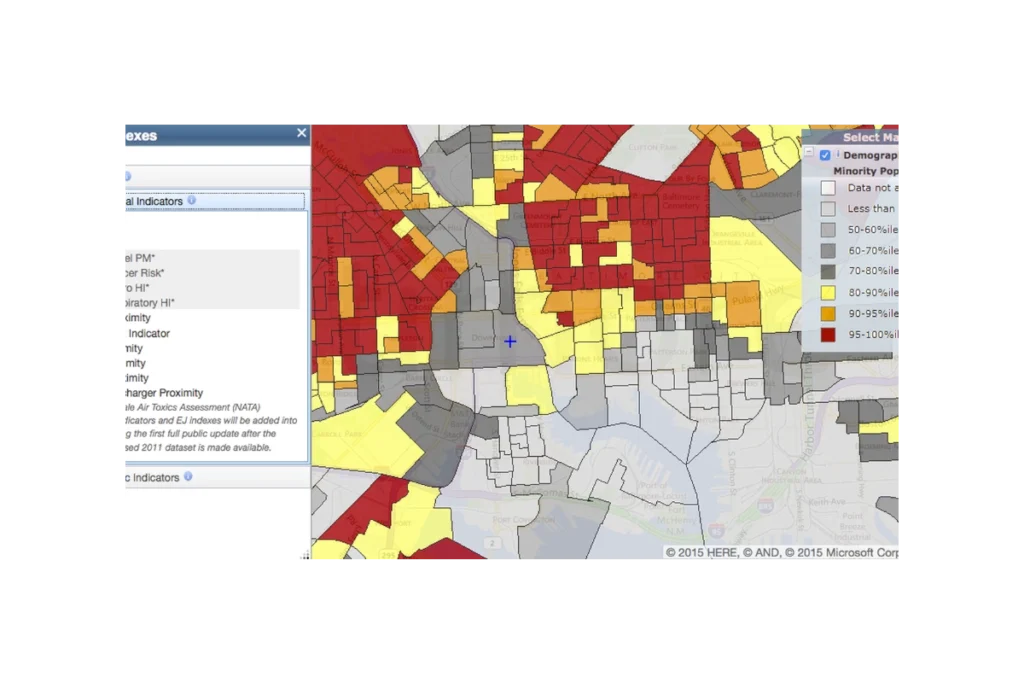
EJScreen (formerly an EPA tool, now discontinued and publicly hosted) is a national mapping and screening tool that combines environmental, health, and demographic data to help identify communities that may be disproportionately impacted by pollution and other environmental hazards. It provides interactive maps and summary reports for “EJ indexes” that blend measures like air pollution, proximity to industrial facilities, traffic, and waste sites with indicators such as income, race/ethnicity, and language isolation. Agencies, communities, and advocates use EJScreen to screen for potential environmental justice concerns, prioritize areas for further study or action, and support planning, permitting, and policy decisions.
Subscribe
Sign up to get the latest updates on new city clean air tools and resources.