This page provides resources for measuring transportation greenhouse gas emissions and air quality impacts, and incorporating climate adaptation and resilience features as they relate to a proposed project.
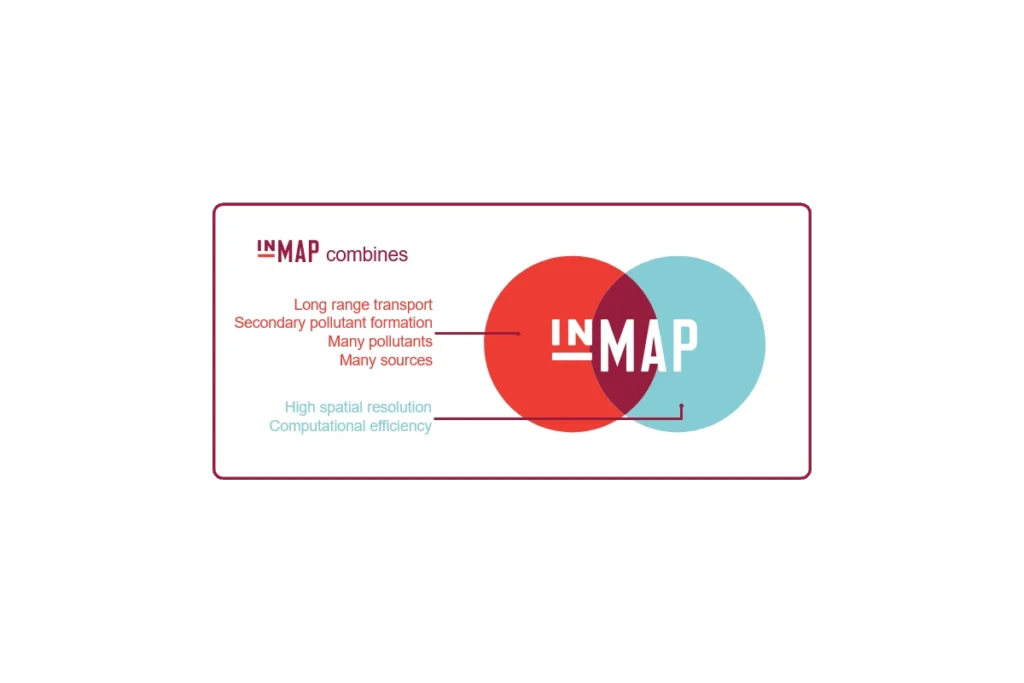
InMAP is a recently developed model which offers a new approach to estimating the human health impacts caused by air pollutant emissions and how those impacts are distributed among different groups of people.
"BetterHubs aims to use a set of core objectives to help governments, companies, investors, and local communities design and engage with Hub projects in a way that sets a new bar for industrial innovation."
Air sensor monitors that are lower in cost, portable and generally easier to operate than regulatory-grade monitors are widely used in the United States to understand air quality conditions. This website provides the latest science on the performance, operation and use of air sensor monitoring systems for technology developers, air quality managers, participatory scientists and the public. The EPA is involved in the advancement of air sensor technology, including performance evaluations of sensor devices and best practices for effectively using sensors. The information can help the public learn more about air quality in their communities.
The EDF Turbine Map is an advocacy-focused geospatial tool developed by the Environmental Defense Fund (EDF) in partnership with Moms Clean Air Force and EcoMadres. It is designed to expose the environmental and health impacts of gas-fired combustion turbines across the United States.
"The National Environmental Public Health Tracking Network (Tracking Network) brings together health data and environmental data from national, state, and city sources and provides supporting information to make the data easier to understand. The Tracking Network has data and information on environments and hazards, health effects, and population health."
CASTNET is a national monitoring network established to assess trends in pollutant concentrations, atmospheric deposition, and ecological effects due to changes in air pollutant emissions.