3 essential steps for a successful air quality program
A strong plan is vital to turning air quality insights into health benefits that your community can feel. While each city’s plan will look different, the three essential steps outlined in this air pollution solutions checklist have broad applicability, enabling leaders to learn from what’s worked elsewhere, avoid common mistakes and increase their chances of success. Wherever your city or town is on its journey toward cleaner air, these steps and the core considerations they raise offer a sound structure in which to ground your approach.
Get started by exploring each of the steps and their components below:
Investigate the problem
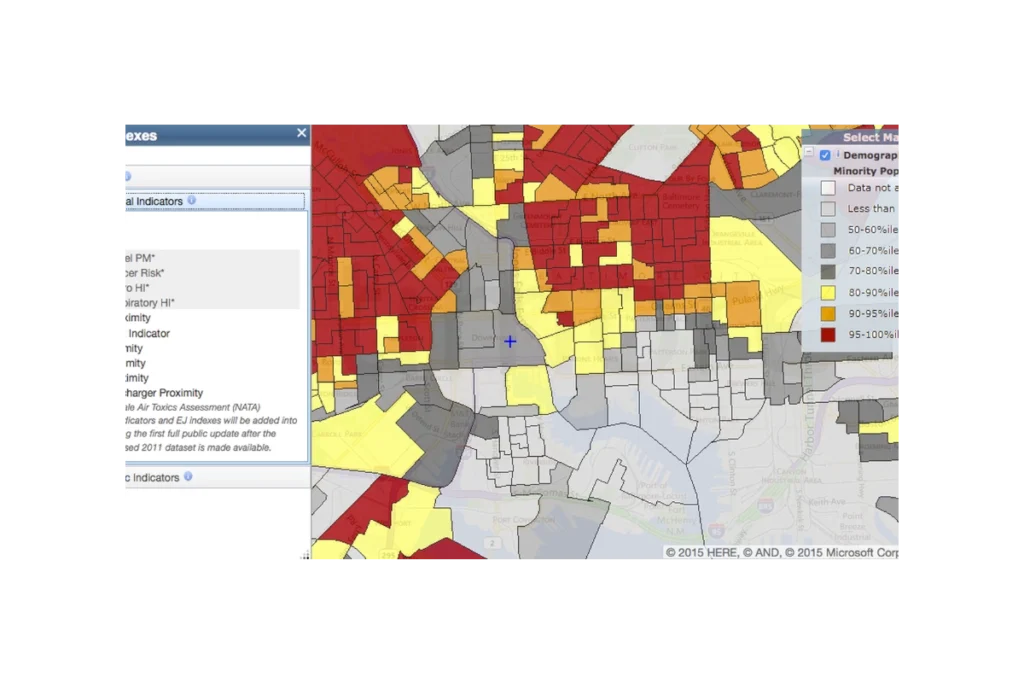
- Map air quality in your city
- Characterize your city’s air quality
- Identify and prioritize local air pollution sources
- Learn who is most at risk
- Identify and prioritize local air pollution sources
- What are the top sources of emissions?
- Where does your city have an opportunity to act?
- Learn how air pollution affects health in your city
- What is the health and economic burden of air pollution in your city?
- How do these impacts vary geographically or by population?
- Find out who is most at risk
- What groups are most vulnerable to health effects of air pollution in your city?
- What neighborhoods are most impacted by air pollution?
Plan clean air solutions
- Learn from other cities
- What has worked in other cities?
- What are accepted best practices?
- What are some mistakes to avoid?
- What are key barriers to success?
- Engage stakeholders
- Identify stakeholders impacted by the problem
- Outreach to stakeholders, including those with economic or language barriers
- Integrate stakeholder input in program design and evaluation
- Identify evidence-based solutions
- Figure out which air pollution sources can be most easily addressed through local policies
- Learn what’s worked well in other cities
- Take stock of the main barriers to success
Implement policies and programs
- Analyze expected impacts
- Estimate how solutions could affect air quality and vulnerable groups
- Anticipate how solutions could reduce health harms
- Evaluate the potential co-benefits (e.g. greenhouse gas reductions, economic benefits)
- Consider any potential negative impacts and how to mitigate them
- Fund programs
- Find out how much solutions cost and how to pay for them
- Identify federal and state funding sources
- Build a sustainable funding strategy
- Evaluate programs
- Consider what progress means for your city and how you can measure it
- Decide which metrics and indicators you will use to track progress
- Set up monitoring and evaluation systems and data visualization tools